
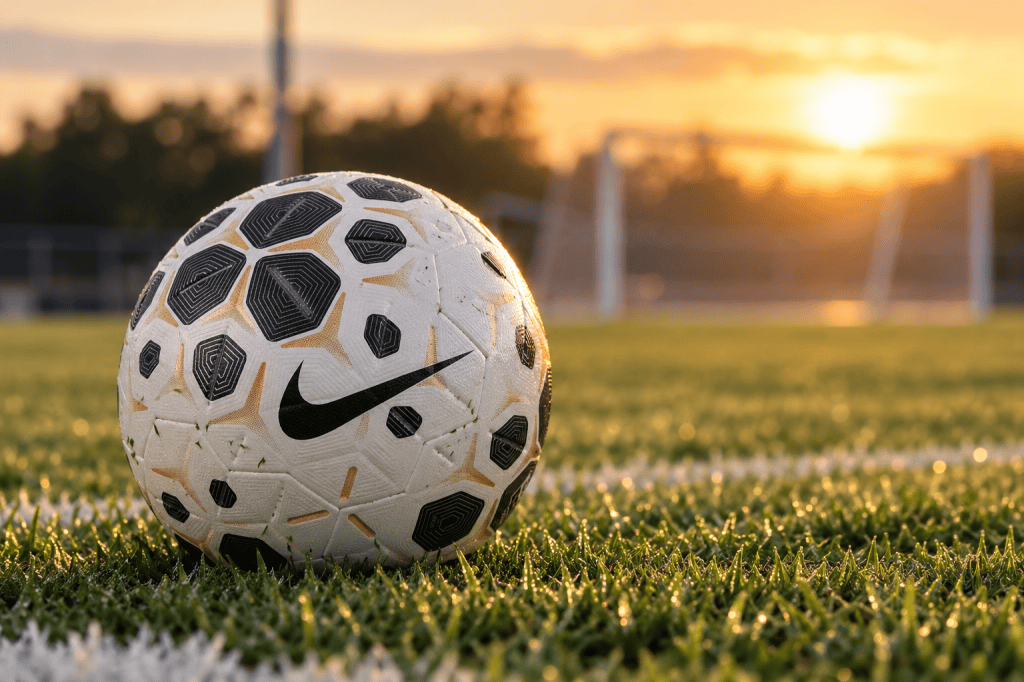
Buying a soccer ball should be simple. Somehow, it isn’t.
Walk into a sporting goods store and you can find soccer balls from the same brand for $25, $45, $65 and $170 — often wearing nearly identical league or tournament graphics. Online, last year’s $80 ball might be sitting next to this year’s $35 ball for almost the same price.
The confusing part is that some of those differences really do matter. Soccer balls can use completely different panel counts, bladder materials, stitching or bonding methods, foam layers and surface textures. Two balls that both cost around $60 may be built in fundamentally different ways.
For regular youth practice, though, we don’t think you need a $150+ professional match ball.
We’ve found the sweet spot is generally somewhere between about $30 and $75, particularly if you’re willing to buy last season’s graphics. That’s where you can get a genuinely good ball without paying for a current-year professional match model.
For this guide, we’re recommending models and tiers rather than specific seasonal designs. Colors, league graphics and tournament branding change constantly. If last year’s version of the same ball is cheaper, that’s usually the one we’d buy.
Here are the five we’d start with.

Quick Picks
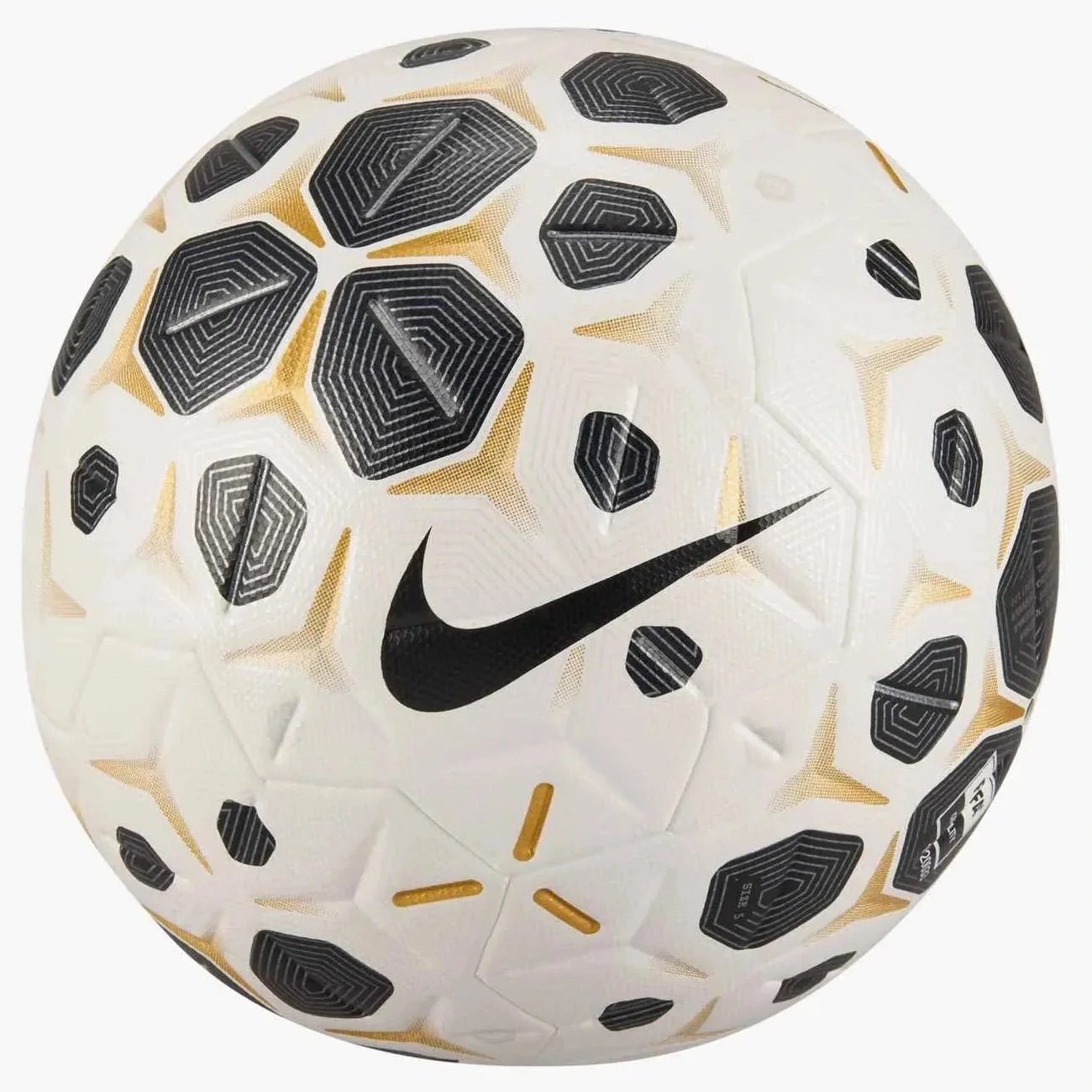
🏆 BEST OVERALL
Nike Academy Elite
Our favorite mix of premium feel, construction and value.
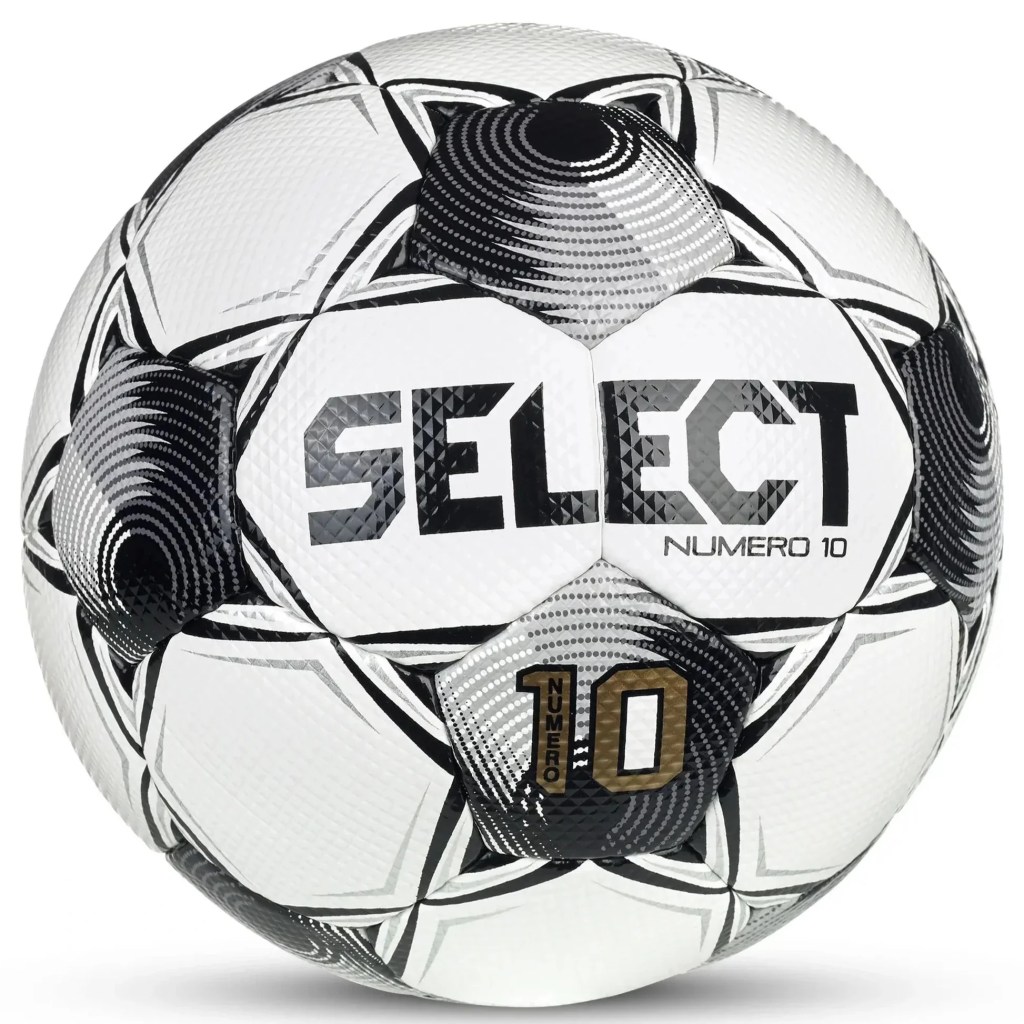
🥈 RUNNER-UP
Select Numero 10
Traditional construction, a latex bladder and a lot of ball for the money.
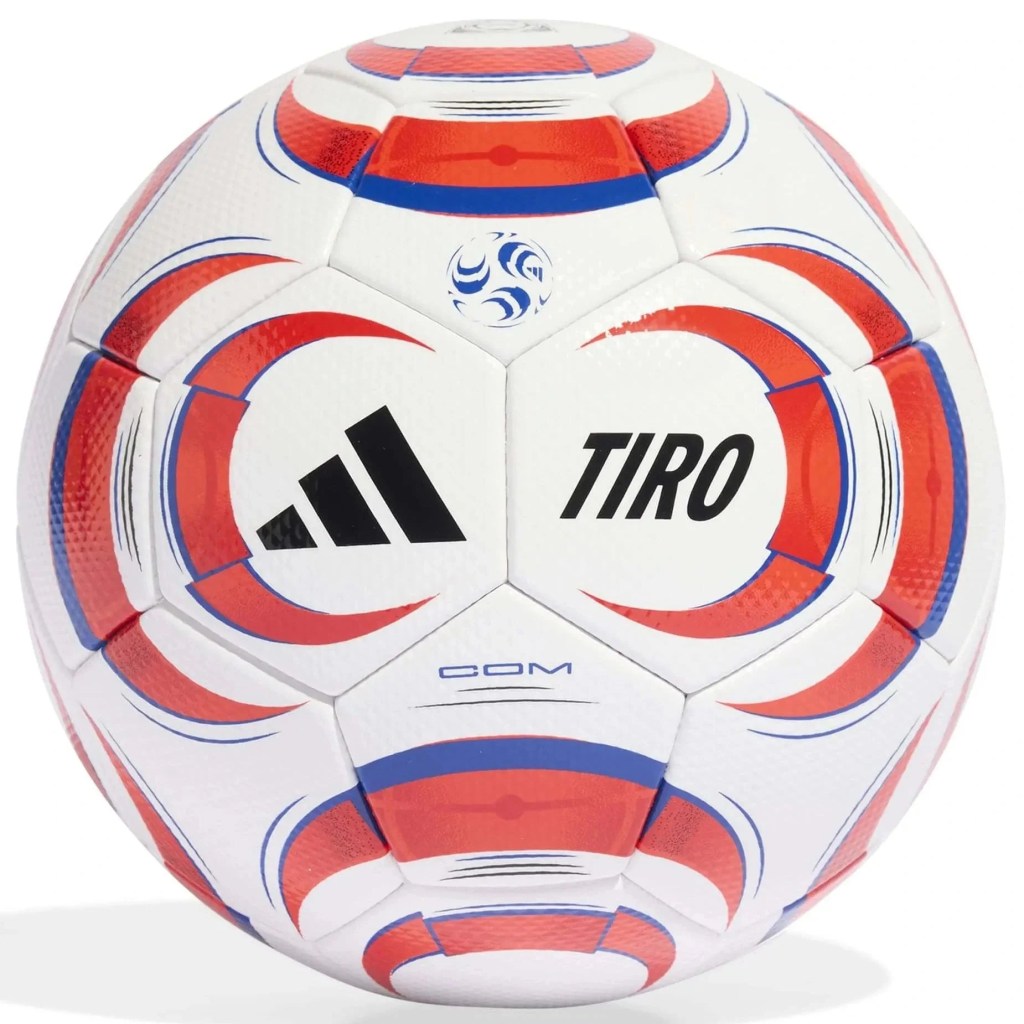
⭐ HONORABLE MENTION
Adidas Competition
Premium thermally bonded construction without jumping all the way to Pro pricing.
💰 BEST ON A BUDGET
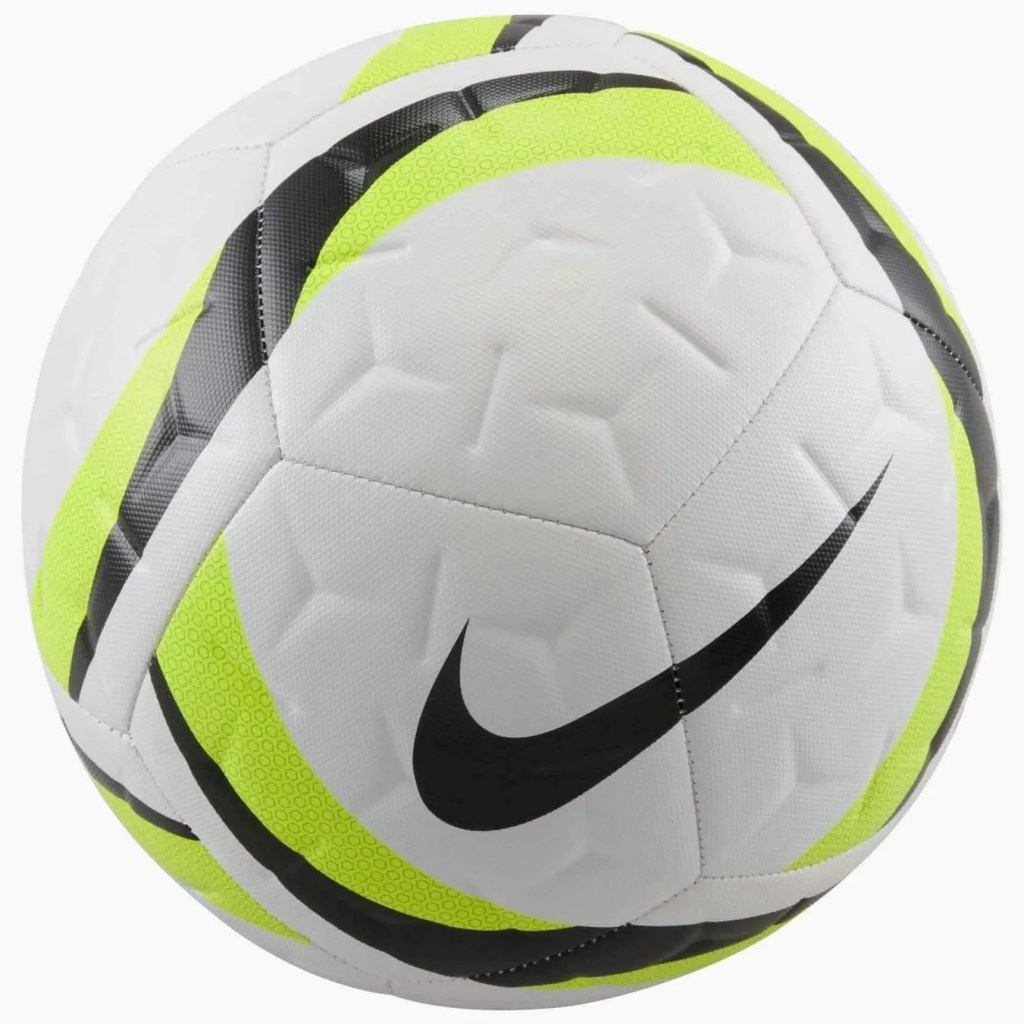
Nike Academy
The affordable practice ball we keep coming back to.
⚠️ ONE WE’D SKIP
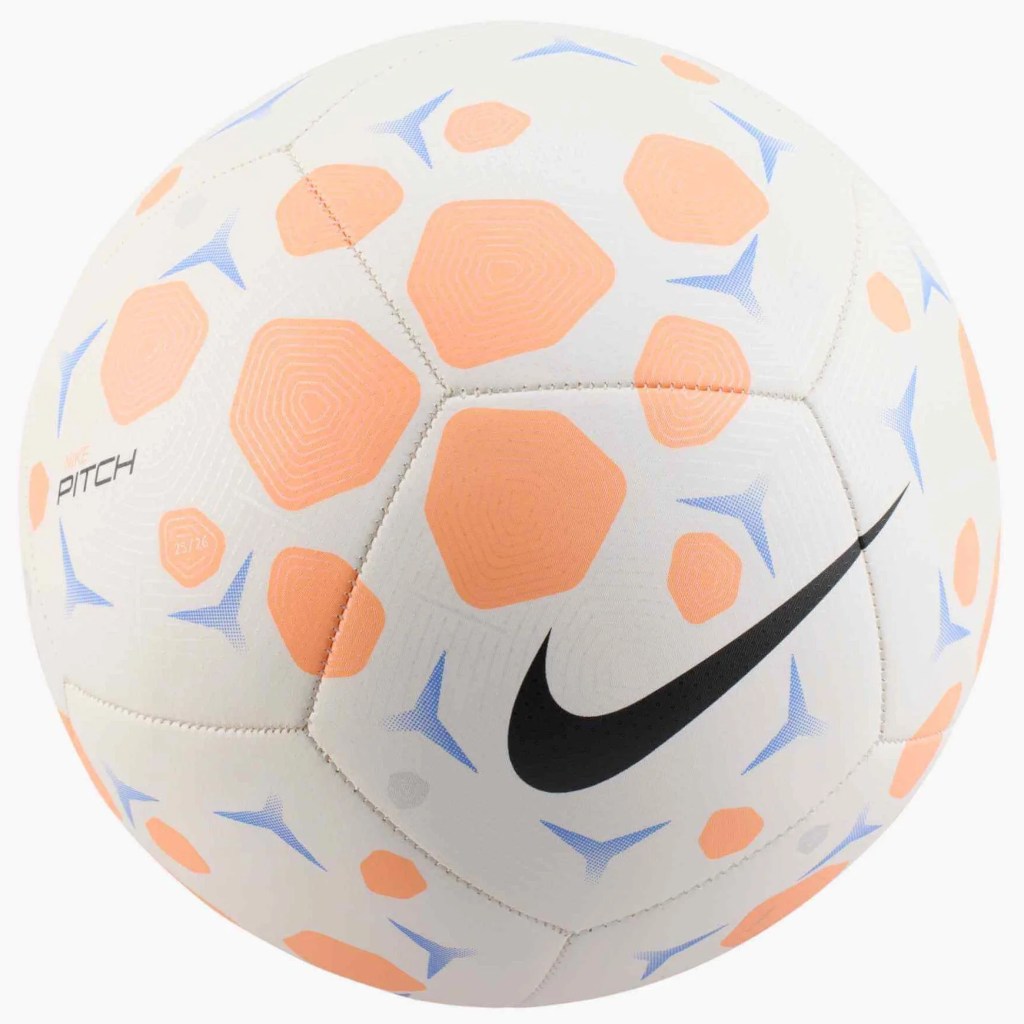
Nike Pitch
We’d spend a little more for Academy—except for young rec players who just want a ball they love.
Why soccer balls at the same price can be completely different
A $60 soccer ball isn’t necessarily just a nicer version of a $30 soccer ball.
At this price range, manufacturers start taking very different approaches to how a ball is built. The number and shape of the panels can change. Seams might be stitched, molded or thermally bonded. The bladder inside might be latex, butyl or rubber. Covers can have different foam layers, textures and aerodynamic grooves.
Those differences can affect how a ball feels off the foot, how it flies, how well it holds its shape and air pressure, and how it handles repeated practices in less-than-perfect conditions.
You don’t need to become a soccer-ball engineer to buy a good one. But there are a few features worth understanding because they explain why our top three recommendations can cost roughly the same amount while being built completely differently.
We’ll point those differences out as we go.

🏆 Best Overall
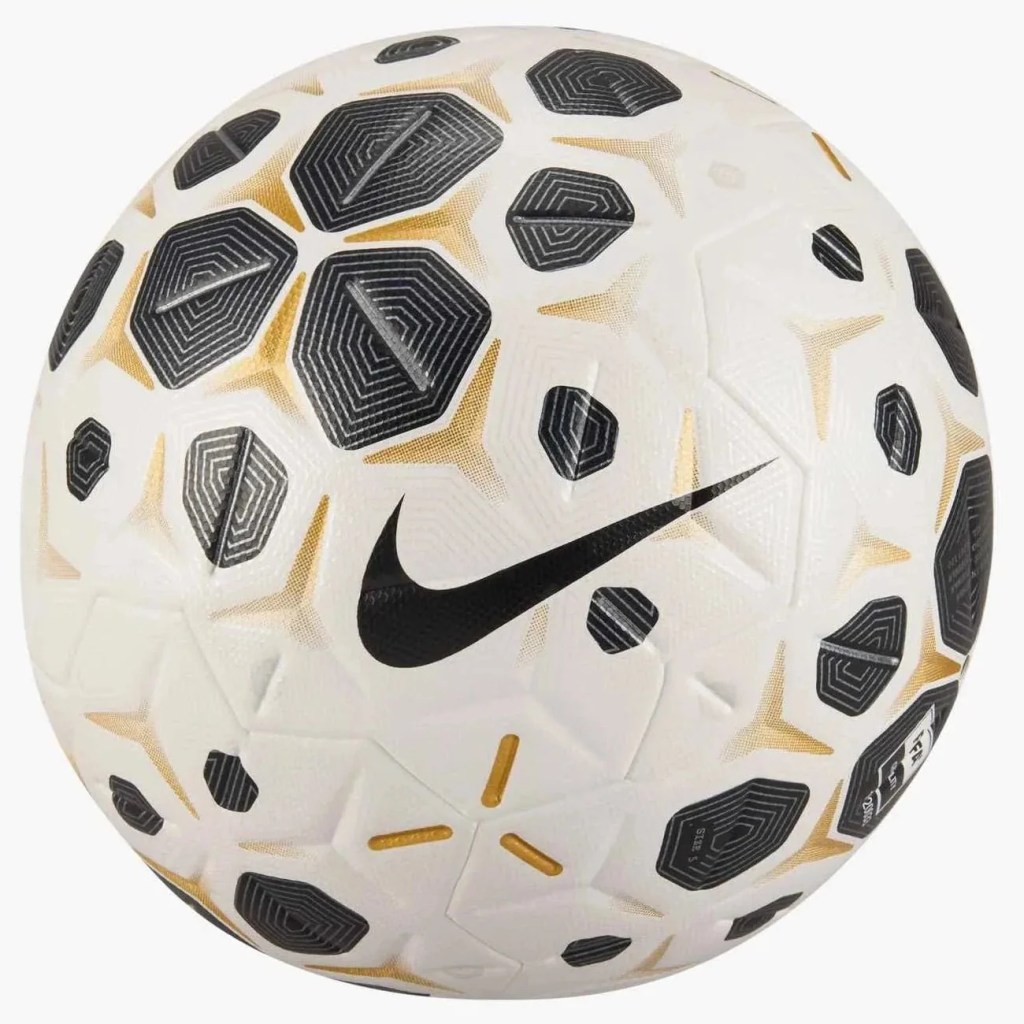
Nike Academy Elite
Typical price: About $50–$65 on sale ($80 MSRP)
Best for: Serious youth players and frequent practice
Why we love it: Premium feel and construction at a price that makes sense when you shop older graphics
We’ve owned a lot of Nike Academy balls over the years, and they’ve become something of a default practice ball in our house. They’re affordable, durable, and we’ve always liked the textured, grooved casing.
The Academy Elite feels like a meaningful step up. The cover feels more premium, the aerodynamic grooves are pronounced, and its unusual four-panel construction gives it dramatically fewer seams than a traditional soccer ball.
Most importantly, this isn’t a case where the technical differences only look impressive on a spec sheet. We really like playing with this ball. It’s the kind of difference you notice without having to know anything about panel construction.
At its $80 list price, we’d think harder about the value. But that’s not usually how we’d shop for one. Nike changes its graphics constantly, and previous-season Academy Elite balls regularly get discounted into the range where we’re much more interested.
If you can find an Academy Elite around $50–$60, that’s the soccer ball we’d start with.
WHAT MAKES IT DIFFERENT
4-PANEL CONSTRUCTION
The traditional soccer-ball design uses 32 panels. The Nike Academy Elite uses just four large panels, which means dramatically fewer seams across the surface of the ball.
Nike pairs those four panels with shorter, staggered seams and its grooved casing. Nike says the combination creates larger sweet spots, helps the ball maintain a more spherical shape and promotes more consistent flight.
Why it matters: Fewer seams mean more uninterrupted striking surface. And while we’re not testing soccer balls in a wind tunnel, the difference in construction is obvious in your hands — especially next to a traditional 32-panel ball.
Who we’d buy it for: A serious youth player practicing several times a week who appreciates a better-feeling ball, but doesn’t need a $150+ professional match ball. It’s especially compelling if you can find a previous-season design discounted into the $50–$60 range.
What we’d change: The $80 MSRP. The Academy Elite becomes a much easier recommendation once it goes on sale—which is another reason we wouldn’t worry about having the newest graphic.
🥈 RUNNER-UP
Select Numero 10
Typical price: About $60–$65
Best for: Players who prefer a softer, more traditional match-ball feel
Why we love it: Premium traditional construction and a latex bladder at a surprisingly reasonable price
If the Academy Elite represents the modern approach to building a soccer ball, the Select Numero 10 is almost the opposite.
Instead of four large panels and dramatically reduced seams, the Numero 10 uses the classic 32-panel design, with panels that are hand stitched rather than thermally bonded or molded together. Inside, Select uses its Zero-Wing latex bladder rather than the butyl or rubber bladders commonly found in training balls.
We haven’t put the Numero 10 through the same firsthand use as the Nike balls in this guide, so we’re not going to pretend otherwise. Its runner-up spot is based on its construction, price, long-running position in Select’s lineup, and the very different experience it offers from the Academy Elite.
At roughly $60–$65, it’s particularly interesting because you’re getting some genuinely premium—and increasingly uncommon—construction choices without getting anywhere near $150+ professional match-ball pricing.
WHAT MAKES IT DIFFERENT
LATEX BLADDER + 32 HAND-STITCHED PANELS
The Numero 10 takes a much more traditional approach than the Academy Elite. Its 32 panels are hand stitched, and Select says each ball uses 630 double stitches plus 60 corner stitches before being closed with a double knot.
Inside is Select’s Zero-Wing latex bladder. Select pairs that bladder with a PU synthetic-leather cover backed by 2mm of foam for a softer touch, and says the combination is designed for lively bounce, roundness and straight flight.
Why it matters: Latex is one of the big reasons this ball interests us. It’s a more traditional construction choice associated with a softer, more responsive feel than the butyl or rubber bladders commonly used in training balls. The tradeoff is that latex generally requires more attention to air pressure. So this isn’t necessarily the lowest-maintenance choice—but that’s part of what makes the Numero 10 fundamentally different from the Nike.
Who we’d buy it for: A player who wants a more traditional match-ball construction and doesn’t mind checking the air pressure more often. At around $60–$65, the Numero 10 is especially interesting for families who care more about what’s inside the ball than having the newest league graphic.
What we’d change: The latex bladder’s air retention is the obvious tradeoff. If you want a ball you can leave in the garage for two weeks and expect to grab at the last second, there are lower-maintenance choices.
⭐ HONORABLE MENTION
Adidas Competition
Typical price: About $60–$65
Best for: Players who want match-ball construction with easy air retention
Why we love it: Thermally bonded construction and FIFA Quality Pro certification without Pro-level pricing
Adidas makes its soccer-ball lineup look simpler than it actually is. Club, Training, League, Competition and Pro sound like straightforward steps up a ladder—but the jump to Competition is where things get especially interesting.
Current Competition models use thermally bonded, seamless construction rather than traditional stitching. Adidas also uses a butyl bladder, which should make this a lower-maintenance option for regular practice than the latex-bladder Select. Current Competition models can even carry the same FIFA Quality Pro certification as Adidas’ $170 Pro balls.
That doesn’t make a $65 Competition ball identical to the $170 official match ball. Cover materials, textures and other construction details can differ. But it does make the Competition tier an interesting place to shop if you want some genuinely high-end construction without paying for the actual ball being used on television.
At around $60–$65, Adidas Competition is another example of why we’d shop the tier first and the tournament graphic second.
WHAT MAKES IT DIFFERENT
THERMALLY BONDED + SEAMLESS
Instead of sewing its panels together, Adidas uses heat and adhesive to bond the panels, creating a surface without traditional stitched seams. That’s the same broad construction approach Adidas uses on its top-level Pro match balls.
The Competition also uses a butyl bladder. Compared with the latex bladder in the Select Numero 10, butyl generally prioritizes air retention and lower maintenance—which makes a lot of sense for a ball that’s going to live in a youth player’s practice bag.
Why it matters: This is our third ball and our third completely different construction philosophy. Nike gets there with very few large panels and grooved casing. Select sticks with 32 hand-stitched panels and latex. Adidas goes seamless and thermally bonded. All three can land in roughly the same price range.
Who we’d buy it for: A frequent player who wants a premium-feeling practice or match ball without the added air-pressure maintenance of latex. It’s also a strong option when an outgoing tournament design gets discounted.
What we’d change: Adidas’ naming and tournament graphics can make comparison shopping harder than it needs to be. Ignore the artwork and look for the word Competition—then compare the construction and price.
💰 BEST ON A BUDGET
Nike Academy
Typical price: About $25–$40
Best for: Everyday practices, backyard training and families buying multiple balls
Why we love it: It’s inexpensive, durable and good enough that we’ve kept buying them
This is probably the least complicated recommendation in the guide.
We’ve owned a lot of Nike Academy balls. They’ve been kicked around at practices, used in the backyard, thrown into bags and generally treated the way youth-sports equipment actually gets treated. And we keep buying them.
The Academy isn’t trying to feel like a $170 professional match ball. But it doesn’t feel like a cheap toy, either. The current version uses Nike’s grooved OmniSculpt casing, and that textured surface is one of the things we’ve consistently liked about the Academy line. Nike says those grooves are designed to help airflow around the ball for more consistent flight.
More importantly, this is the price range where buying several good balls becomes realistic. One $34 Academy is useful. Three or four of them turn a backyard shooting session into an actual training session without someone chasing the same ball after every shot.
If we needed a good practice ball tomorrow and wanted to spend around $30, this is what we’d buy.
WHAT MAKES IT DIFFERENT
THE SWEET SPOT FOR EVERYDAY PRACTICE
The Academy sits one step above Nike’s basic Pitch ball and well below the premium balls in price. The current model still gets Nike’s grooved OmniSculpt casing, giving it more surface texture than we’d expect from a basic recreational ball.
But the biggest advantage isn’t a single technical feature. It’s that the Academy is good enough to use seriously and inexpensive enough to own several.
Why it matters: Practice changes when you have more than one ball. Shooting drills move faster. Passing sessions have fewer interruptions. And when one inevitably disappears under the deck, gets left at practice or ends up soaking wet, you haven’t lost a $100+ match ball.
Who we’d buy it for: Almost any youth player who needs an everyday practice ball. It’s especially easy to recommend for families who want several balls for backyard training without spending a fortune.
What we’d change: Not much at this price. If your player practices constantly and really notices ball feel, we’d step up to the Academy Elite when it’s discounted. Otherwise, we’d happily keep using the Academy.
⚠️ ONE WE’D SKIP
Nike Pitch
Typical price: About $20–$25
Best for: Young recreational players and casual backyard play
Why we’d skip it: The Academy is a meaningful step up for only about $10 more
Let’s be clear about something first: there’s nothing wrong with the Nike Pitch.
If you’ve got a five- or six-year-old playing rec soccer who needs a size 3 ball, this may actually be exactly what we’d buy. Take them to the store, let them pick the coolest color, and watch them get excited about having their own soccer ball. At that age, that matters a lot more than panel construction.
Where we have a harder time recommending the Pitch is for an older or more serious player who is going to use the ball several times a week. The Pitch is Nike’s basic recreational ball, and the current version uses a traditional 12-panel construction with a smooth casing. Nike’s Academy sits only about $10 higher at regular price and adds the textured, grooved casing that we’ve consistently preferred.
And sales can make the gap even smaller. Once Academy balls start getting discounted because last season’s graphics are being cleared out, there may be very little reason to choose the Pitch purely to save money.
For a serious youth player, we’d spend the extra $10 and get the Academy.
WHEN IT ACTUALLY MAKES SENSE
THE BEST BALL IS SOMETIMES THE ONE THEY WANT
Not every soccer-ball purchase needs to be optimized.
For a young recreational player, the differences between a Pitch and an Academy probably matter far less than whether they’re excited to bring their new ball outside and kick it around.
That’s one place where the Pitch actually does well. Nike offers it in the kind of bright colors and tournament-inspired graphics kids notice, at a price where letting them choose based entirely on looks isn’t unreasonable.
Why it matters: If your six-year-old insists the neon pink Pitch is obviously faster than the boring ball you were going to buy, we’re not going to argue with them. Buy the pink one. ⚽
Who we’d buy it for: Young recreational players, first-time players or anyone who just needs an inexpensive ball for casual backyard use. This is also one of the rare cases where we’d happily let the kid choose entirely by color.
What we’d change: The value proposition. Once you’re shopping for a player who practices regularly, the Academy doesn’t cost enough more for us to stay at the Pitch tier.
Shop the tier, not the graphic
Soccer-ball shopping gets especially confusing because manufacturers constantly change the way their balls look.
A World Cup ball, Premier League ball or Champions League ball might appear in several different versions that share nearly identical graphics—but have completely different construction and prices. One might cost $30, another $65 and another $170.
And then the next tournament or season arrives, the graphics change, and last year’s $65 ball suddenly gets marked down to $40.
That’s why we shop the tier first and the graphic second.
If an outgoing Nike Academy Elite, Adidas Competition or similar higher-tier ball drops into the price range of a current-season lower-tier model, we’d usually rather buy the better ball with last year’s artwork.
The ball doesn’t know the tournament ended.
Understanding soccer ball tiers
Every brand names its lineup differently, which makes comparison shopping harder than it should be. The exact models can change over time, but the basic hierarchy is fairly consistent.
| Brand | Entry Level | Everyday Practice | Step Up | Premium & Match | Pro |
|---|---|---|---|---|---|
| Nike | Pitch – $24 | Academy – $34 | Academy Plus – $47 | Academy Elite – $80 | Control – $175 |
| Adidas | Club – $24 | Training – $30-$38 | League – $45 | Competition – $65 | Pro – $175 |
| Select | Classic – $25 | Club – $39 | Thor & Viking – $45-$55 | Numero 10 – $65 | Brilliant Super – $170-$175 |
Prices shown are typical manufacturer list prices at the time of publication. Sales and previous-season designs can change the math considerably.
Don’t read straight across this chart as if every ball in the same column is equivalent. These aren’t standardized industry tiers. Each brand uses different construction methods and draws the lines between training and match balls differently.
That’s exactly why price alone can be misleading. A $65 Select Numero 10 is a 32-panel, hand-stitched ball with a latex bladder, while a similarly priced Adidas Competition uses thermally bonded seamless construction and a butyl bladder. They’re sitting in roughly the same part of the price ladder, but they’re fundamentally different soccer balls.
How much should you actually spend on a practice ball?
You can spend anywhere from about $20 to $175 on a soccer ball. For regular youth practice, we think most families should stay much closer to the lower end of that range.
$20–$35: The basics
This is where you’ll find entry-level and everyday training balls like the Nike Pitch and Academy. There’s nothing wrong with this price range. In fact, around $30 is where we’d shop if we needed several balls for backyard training or wanted something we wouldn’t worry about getting dirty, wet or occasionally forgotten at the field.
$35–$75: The sweet spot
This is where soccer balls get much more interesting. Better cover materials, different panel constructions, bonded seams, latex bladders and more sophisticated surface textures all start showing up—often without a huge jump in price.
It’s also where sales matter most. A $65–$80 ball from last season can sometimes land in the $40–$60 range simply because the graphics changed.
For a serious youth player practicing several times a week, this is where we’d shop first.
$100–$175: Usually unnecessary for practice
This is professional match-ball territory. These balls can use the brands’ most advanced materials and construction, and there’s absolutely a difference between them and a $30 training ball.
But “better” doesn’t necessarily mean “better purchase.” For normal youth practices, backyard sessions and even most games, we have a hard time justifying $150+ for a ball that’s going to get kicked into fences, soaked in wet grass and occasionally launched into the woods.
If your player wants the exact ball they see in a World Cup or Premier League match, that’s different. It can be a fantastic gift. We just wouldn’t argue that they need one to train well.
Our Rule:
We’d rather own two or three good $35 practice balls than one $100 ball for everyday training. But if a $65–$80 ball gets discounted into the $40–$60 range, that’s where we’d start looking for an upgrade.
What actually changes when you spend more?
You don’t need to memorize soccer-ball construction to buy a good one. But once you understand a few basic things—panels, seams, bladder and cover—the enormous price differences start making a lot more sense.
More expensive doesn’t automatically mean better for every player. What you’re often paying for is a different combination of materials and construction designed to change how the ball feels, flies and holds up.
Panels and seams
The familiar black-and-white soccer ball most of us picture uses 32 panels, but modern balls can use dramatically fewer.
Our recommendations already show the extremes. The Select Numero 10 sticks with a traditional 32-panel, hand-stitched construction. The Nike Academy Elite uses just four large panels. Adidas takes another route with thermally bonded panels that create a seamless surface.
None of those approaches is automatically “best.” Panel shape, seam length and the way those seams are joined are all part of how manufacturers control the ball’s shape, touch and flight.
The bladder: what’s actually inside the ball
Underneath the cover is the bladder—the part that actually holds the air. Two of the most common materials you’ll encounter are latex and butyl.
Latex is typically chosen when feel and responsiveness are priorities. That’s what Select uses in the Numero 10. The tradeoff is air retention: latex naturally loses air faster, so you’ll need to check the pressure more often.
Butyl generally holds air longer and requires less maintenance. That’s one reason it makes a lot of sense in practice balls that spend their lives bouncing between the field, garage and trunk of the car.
Neither is universally better. We’d think of it as feel and responsiveness vs. convenience and air retention.
Cover materials and cushioning
What your foot actually touches is another major difference.
Better balls can use higher-quality polyurethane (PU) covers, additional foam or textile backing, and different layers underneath the outer casing. Those layers can change how soft or firm the ball feels when receiving a pass or striking it.
This is also one of those specifications that can sound more important on a product page than it is while shopping. A manufacturer telling you its ball has “2mm of foam” isn’t especially useful unless you know how the complete ball feels.
This is where firsthand experience matters more than the spec sheet.
Surface texture and grooves
Run your hand across a basic recreational ball and then across a higher-tier match ball and you may notice the difference immediately.
Some balls use relatively smooth casings. Others add dimples, textures or pronounced grooves across the surface. Manufacturers use these features to influence grip, touch and the way air moves around the ball in flight.
This is one difference we’ve noticed ourselves with Nike’s Academy line. We’ve consistently liked its textured, grooved casing, and the Academy Elite takes that treatment noticeably further.
Just don’t assume more texture = better ball. Surface design is one piece of the entire construction, not a quality score.
The Takeaway
Don’t shop by one specification. A four-panel ball isn’t automatically better than a 32-panel ball, latex isn’t automatically better than butyl, and seamless isn’t automatically better than stitched. What matters is how those choices work together—and whether the result makes sense for how your player will actually use the ball.
Does FIFA certification actually matter?
You’ve probably seen a FIFA Quality logo printed on a soccer ball without giving it much thought. It isn’t just decoration.
FIFA’s certification program independently tests balls against specific performance standards. For the main FIFA Quality test, balls are evaluated in seven areas: weight, circumference, roundness, bounce, water absorption, loss of pressure, and shape and size retention. FIFA Quality Pro uses those same seven tests but applies more demanding requirements.
There are currently three levels:
FIFA Basic — Meets FIFA’s baseline performance, accuracy, safety and durability requirements, with an emphasis on affordability.
FIFA Quality — Places greater emphasis on durability and consistent performance for extensive use.
FIFA Quality Pro — FIFA’s highest standard, with tighter requirements aimed at top-level performance and accuracy.
So yes, the certification means something. It tells you that the ball has actually been tested against a defined standard rather than simply being described as “match quality” on the packaging.
But you don’t need FIFA Quality Pro for practice
This is where we’d be careful not to turn certification into another reason to overspend.
A FIFA Quality Pro mark doesn’t mean your 12-year-old needs that ball for Tuesday-night practice. It means the ball met FIFA’s more demanding testing standard.
And certification doesn’t map neatly to price. The Adidas Competition in this guide is a great example: the current $65 World Cup 26 Competition ball carries FIFA Quality Pro certification, despite costing far less than Adidas’ top professional match ball.
Our advice: Treat FIFA certification as useful evidence about a ball’s construction and tested performance—not as a shopping requirement. We’d still choose the right ball for the player, use and price before choosing one simply because it has the highest FIFA badge.
Did you know?
FIFA Quality Pro isn’t synonymous with “the official $170 match ball.” Some substantially less expensive balls can pass the same certification level. The certification tells you the testing standard the ball passed—not where it sits in a brand’s product lineup.
What size soccer ball does my child need?
Soccer-ball sizing is thankfully much simpler than soccer-ball construction.
For most youth players, there are three sizes you’ll encounter:
Size 3: Generally used by younger players, typically around age 8 and under.
Size 4: The standard youth ball, generally used from about ages 8–12.
Size 5: The full-size ball used by older youth players and adults, generally beginning around age 13.
Age is a useful shortcut, but your player’s league rules should always win. Different leagues and tournaments can set their own requirements, so if you’re buying a ball specifically for team practice, check what size the team actually uses.
And don’t rush into a Size 5 because it feels more “serious.” Younger players benefit from using a smaller, lighter ball that’s appropriate for their age.
Buying Several Practice Balls?
Match the size your player uses at team practice. That makes backyard touches, passing and shooting much more transferable to the field.
Quick answers for soccer parents
Latex vs. butyl bladder: which is better?
Neither is automatically better. They prioritize different things.
If you want a more traditional premium feel and don’t mind checking your ball’s pressure regularly, latex can be a great choice. That’s part of what makes the Select Numero 10 interesting.
If you want a practice ball that holds air well and can spend a week in the garage without much attention, butyl is probably the more practical choice.
For most youth-sports families, we’d lean toward convenience for everyday practice. But for a player who really cares about how the ball feels, latex is worth considering.
Short version: latex for feel; butyl for convenience.
How much air should a soccer ball have?
Check the pressure range printed on the ball itself. There isn’t one PSI number that’s correct for every soccer ball.
Manufacturers typically print the recommended pressure near the valve, and that’s the number we’d follow rather than relying on the old squeeze-it-with-your-thumbs test.
An underinflated ball can feel sluggish and soft. An overinflated ball can feel unusually hard and may behave differently than intended.
A small electric pump with a pressure gauge makes this much easier—especially if you own several practice balls.
One small habit that helps: check pressure before practice rather than after the ball already feels wrong.
How many practice balls should you own?
For casual backyard play, one is obviously enough.
But if your player regularly works on shooting, passing or first touch at home, three to five balls is a surprisingly useful upgrade. You spend much more time actually practicing and much less time retrieving the same ball after every repetition.
This is another reason we like the $30–$40 tier. We’d rather build a small collection of good practice balls than spend the entire budget on one premium ball.
You don’t need five identical balls, either. An Academy, an older match-quality ball you found on sale and a couple of other decent training balls all accomplish the same thing.
For most soccer families, we’d start with three. That’s enough to make backyard drills noticeably easier without creating an entire garage full of soccer balls.
The bottom line
You don’t need a $170 professional match ball to have a great soccer ball.
For most youth players, we’d shop in the $30–$75 range, pay attention to the actual model rather than the tournament graphic, and take advantage of previous-season balls when they go on sale.
If we were buying today, the Nike Academy Elite would be our first choice when we can find it around $50–$60. The Select Numero 10 and Adidas Competition offer two very different—and genuinely interesting—alternatives around the same price. And if we simply need a dependable everyday practice ball, we’ll happily keep buying the Nike Academy.
More than anything, don’t overthink it. Buy a good ball in the right size, keep it properly inflated, and let it get dirty.
The best practice ball is the one that actually gets used.
SHOP OUR PICKS
🏆 Nike Academy Elite — Best Overall ->
🥈 Select Numero 10 — Runner-Up ->
⭐ Adidas Competition — Honorable Mention ->
💰 Nike Academy — Best on a Budget ->
Disclosure: Sideline Selects may earn a commission when you purchase through links on this page, at no additional cost to you. Our recommendations aren’t influenced by affiliate relationships.
 Sideline Selects
Leave a comment