
Making her first club lacrosse team is exciting. The tryout nerves are over, the congratulations are rolling in, and she’s already looking forward to playing with her new teammates.
Then comes the equipment list.
Sticks. Goggles. Mouthguards. Cleats. Bags. Suddenly you’re trying to figure out whether your daughter needs a $300 lacrosse stick, why there are so many different goggles, and whether those soccer cleats she already owns are good enough.
We’ve been through this twice with our daughters, and we’ve learned a few things along the way. Some of the equipment we started with worked great. Other things were quickly replaced. And a few purchases turned out to be much more important than we initially expected.
The good news? Girls’ lacrosse doesn’t require nearly as much equipment as some other sports.
Here’s what we’d buy, what we’d skip, and where we’d spend a little more to get it right the first time.

THE SIDELINE SHORTLIST ✓
✓ STICK – Invest in a good pocket, not just a beginner label.
✓ GOGGLES – Comfortable fit and proper certification.
✓ MOUTHGUARD – Find one she’ll wear. Buy a spare.
✓ CLEATS – Her existing soccer cleats may be all she needs.
✓ BACKPACK – Check your club’s team store before buying.
A quick note about affiliate links: Some product links in this guide are affiliate links. If you purchase through them, Sideline Selects may earn a small commission at no additional cost to you. As an Amazon Associate I earn from qualifying purchases. Read our full Affiliate Disclosure.
The Stick: Don’t Assume Beginner Equipment Is Best for Beginners
If there’s one piece of lacrosse equipment we’d encourage parents to think carefully about, it’s the stick.
When our older daughter started recreational lacrosse, we bought a basic Under Armour beginner kit. It was perfectly reasonable for trying out a new sport without spending a fortune.
When she made her first club team, we upgraded her to a used STX Crux 600. Eventually, we replaced that with a new Crux 600 and had it custom strung. Finally, we settled on the Gait Whip, which is what she uses today.
By the time our younger daughter started playing, we’d learned enough that we skipped the progression entirely.
Her first stick was a Gait Whip.
That might sound excessive for a beginner, but there’s something important about girls’ lacrosse sticks that isn’t immediately obvious when you’re shopping.
An elite stick can actually make learning easier
Higher-end lacrosse sticks aren’t necessarily just for higher-end players.
They’re often made with lighter materials, more sophisticated head designs, and better pockets that help players control the ball.
And what does a beginner spend most of her time learning?
Catching. Cradling. Passing. Shooting.
Exactly the skills that can benefit from a stick with better ball control.
A cheap beginner stick may be less expensive, but it isn’t necessarily easier to use. In our experience, a well-designed stick with a good pocket can make those early skills less frustrating.
That doesn’t mean every new club player needs a $300 stick. But if the budget is tight, we’d rather buy a used, higher-quality stick than a brand-new beginner model that makes learning harder than it needs to be.

OUR RULE:
Don’t confuse beginner-friendly PRICING with beginner-friendly PERFORMANCE.
A quality stick with a well-designed pocket can make learning the fundamentals easier—not harder.
The pocket matters more than you might think
The head and shaft get most of the attention, but the stringing deserves some love, too.
Our daughters use Gait sticks with FlexMesh pockets from LaxPocket. We liked that setup enough that we actually sent our older daughter’s STX Crux 600 to LaxPocket to have it custom strung with FlexMesh.
Essentially, we wanted to recreate the pocket we liked on the Gait.
If you’re buying a Gait complete stick with its FlexMesh factory pocket, we wouldn’t rush to restring it. That’s already the setup we prefer.
If you’re purchasing a separate head, or have a stick with a pocket that isn’t working well, professional stringing may be worth considering.
Our experience with LaxPocket has been excellent.
Don’t overlook stick length
Here’s another tip that doesn’t get nearly enough attention: the stick needs to fit the player.
For girls under roughly five feet tall, we strongly prefer a shorter handle rather than making them learn with an unnecessarily long stick.
A properly sized stick can be easier for a smaller player to handle, particularly while learning to cradle and change hands.
The good news is that handles can be replaced as players grow. You don’t need to replace an expensive head just because your daughter gets taller.
How to Shorten a Lacrosse Stick
When our younger daughter started playing, we cut 3.5 inches off the bottom of her Gait Whip—and she’s relatively tall for her age. A smaller player might benefit from removing even more, potentially 5 inches, provided the finished stick meets her league’s length requirements.
Fortunately, shortening a lacrosse shaft is pretty straightforward.
- Remove the end cap: Pull the rubber butt cap off the bottom of the shaft.
- Measure and mark: Decide how much length you want to remove, measure carefully, and mark your cutting line. Remember, you can always cut more off, but you can’t put it back.
- Cut the shaft: Secure the shaft and use a fine-toothed hacksaw or appropriate hand saw to cut through it. Many high-end shafts are made from carbon-fiber composites, which can cut cleanly with the proper blade.
- Smooth the edge: Use fine-grit sandpaper to remove any rough edges or splinters.
- Replace the end cap. Push the rubber cap back onto the shortened handle.
One little trick we’ve learned: Some handles taper slightly toward the bottom. After cutting, the end cap may no longer fit as snugly as it did originally.
If that happens, wrap a couple of layers of athletic tape around the newly cut end of the shaft to build up its thickness, then slide the cap back on. It should fit much more securely.
Before cutting, verify the minimum legal stick length for your daughter’s age group and check the shaft manufacturer’s guidance. Carbon-fiber dust and splinters can be irritating, so wear eye protection and a suitable dust mask, cut in a ventilated area, and clean up the debris carefully.
And remember, the handle is replaceable. As your daughter grows, you can install a longer shaft without replacing the entire stick.
Our Stick Selection
After trying everything from beginner sticks to used elite sticks to custom-strung alternatives, we’ve settled on the Gait Whip for both girls. It’s the stick we’d buy again—and the one we’d recommend starting with if your budget allows.
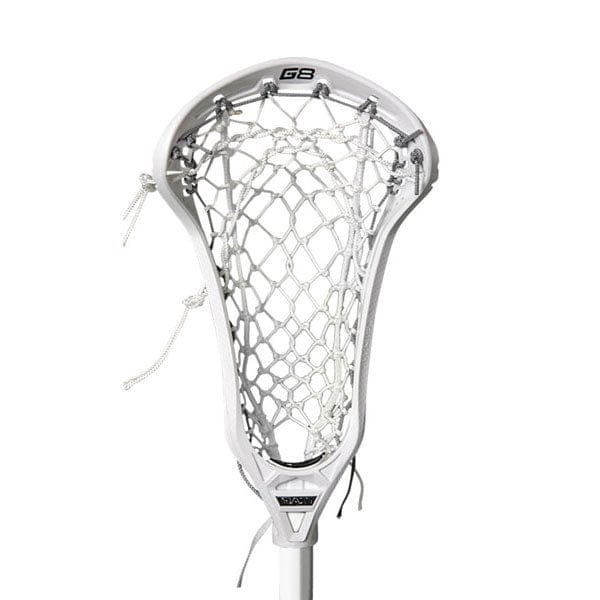

Gait Whip Women’s Lacrosse Stick
SIDELINE SELECT ✓
FIELD TESTED ✓
Our go-to stick for both girls, including one who started with it as a beginner.
Why we selected it: Lightweight feel, excellent ball control, and a factory FlexMesh pocket we genuinely love.
Goggles: Youth-Sized Doesn’t Always Mean Comfortable
Almost every young lacrosse player seems to start with some version of the STX 4Sight youth goggles.
They’re common, readily available, and designed for smaller faces.
But there’s a catch.
In our experience, plenty of girls find the firmer rubber construction uncomfortable. The goggles do their job, but the girls aren’t exactly excited to put them on.
And uncomfortable equipment has a way of becoming a constant complaint.
We’ve tried several options and found that moving beyond the basic youth goggles can make a noticeable difference.
Our Favorite Middle Ground: STX Focus-S
The STX Focus-S has been a great option for us.
Although it’s marketed in adult sizing, we’ve found that it can fit smaller faces comfortably. It also provides a little more coverage than the premium Gait goggles we’ve tried, and it comes in a variety of colors.
For families who want something more comfortable than the basic youth options without jumping straight to the most expensive goggles, this is where we’d start.
What About Gait Goggles?
Gait makes an impressively lightweight, premium goggle.
They’re a very nice product, but they’re also expensive, and the larger fit may not be ideal for every young player.
We wouldn’t buy them without having your daughter try them on first.
Fit Matters More Than the Label
When shopping for goggles, pay attention to how they sit on your daughter’s face.
They shouldn’t create painful pressure around her temples or nose, slide around when she runs, or interfere with her vision.
Have her wear them for several minutes rather than simply trying them on for five seconds in the store.
And most importantly, make sure the exact model meets the current protective eyewear requirements for girls’ lacrosse.
OUR RULE:
Buy the goggles she’ll comfortably wear, not simply the ones labeled for her age.
Our Goggle Selection
After trying several styles, we’ve found the STX Focus-S offers the best balance of comfort, coverage, and price. Despite being an adult-sized goggle, it’s worked well for our younger players, making it an easy recommendation for girls who find traditional youth goggles uncomfortable.
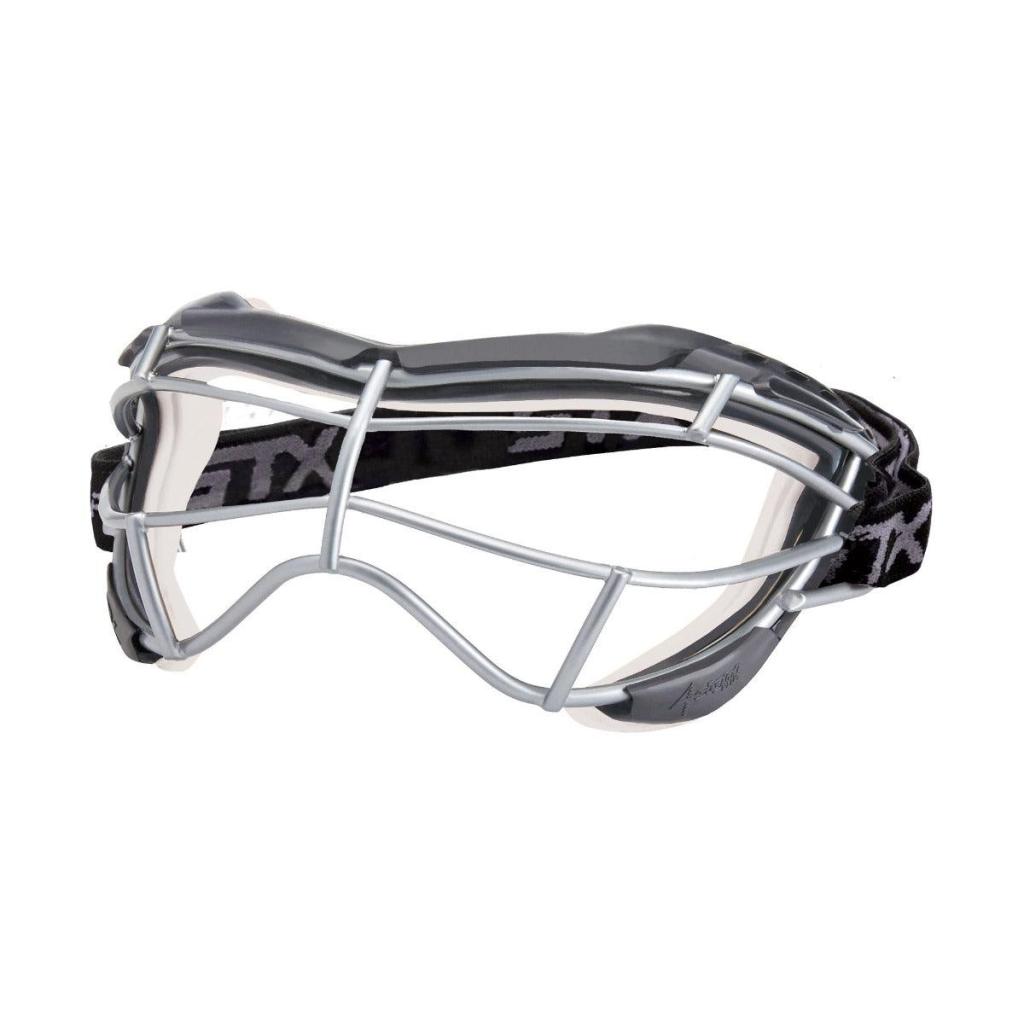
STX Focus-S Lacrosse Goggles
SIDELINE SELECT ✓
FIELD TESTED ✓
Our favorite balance of comfort, coverage, and price – even for smaller faces
Why we selected it: Comfortable fit, good coverage, and multiple color options without the premium Gait price.
Bonus Tip: Upgrade the Goggle Strap
Even when you’ve found a comfortable pair of goggles, there’s one more thing worth considering: the strap.
The narrow, dual-strap designs found on many lacrosse goggles can be uncomfortable on smaller heads, particularly during long practices and tournaments.
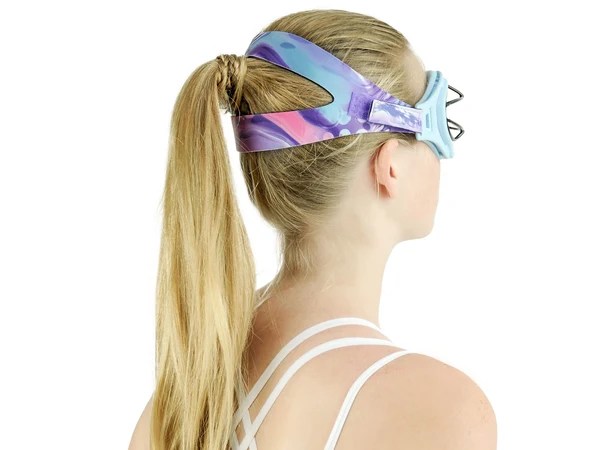
Our girls love their Lokosphere goggle straps. They’re comfortable, come in a huge variety of colors and designs, and add a little personality to an otherwise pretty boring piece of protective equipment.
Lokosphere Goggle Strap
A comfortable, colorful alternative to traditional goggle straps
And if you’re feeling crafty, there’s another fun option.
We’ve used Cricut SportFlex iron-on vinyl to customize the straps with team names, logos, player names, and jersey numbers. It’s an easy way to make their goggles feel a little more personal—and potentially easier to identify when everyone’s equipment ends up in the same pile.
It’s a small upgrade, but one our girls genuinely appreciate.
SIDELINE TIP:
Before buying new goggles because the straps are uncomfortable, consider whether a replacement strap could solve the problem.
Mouthguards: The Best One Depends on Whether Your Kid Chews It
Mouthguards seem like the simplest purchase on the list—until your daughter chews through three of them. We’ve gone through two distinct mouthguard phases in our house, and what works best has changed as our girls have gotten older.
The Chewing Phase: Oral Mart
When our girls were younger, they had a habit of chewing on their mouthguards, and some brands didn’t survive particularly long. We had the best luck with Oral Mart mouthguards, which held up better to our enthusiastic chewers. They also came in fun color combinations, and the youth sizing worked well for our girls.
For a younger player who’s constantly chewing on her mouthguard between plays, durability can be a surprisingly important feature.
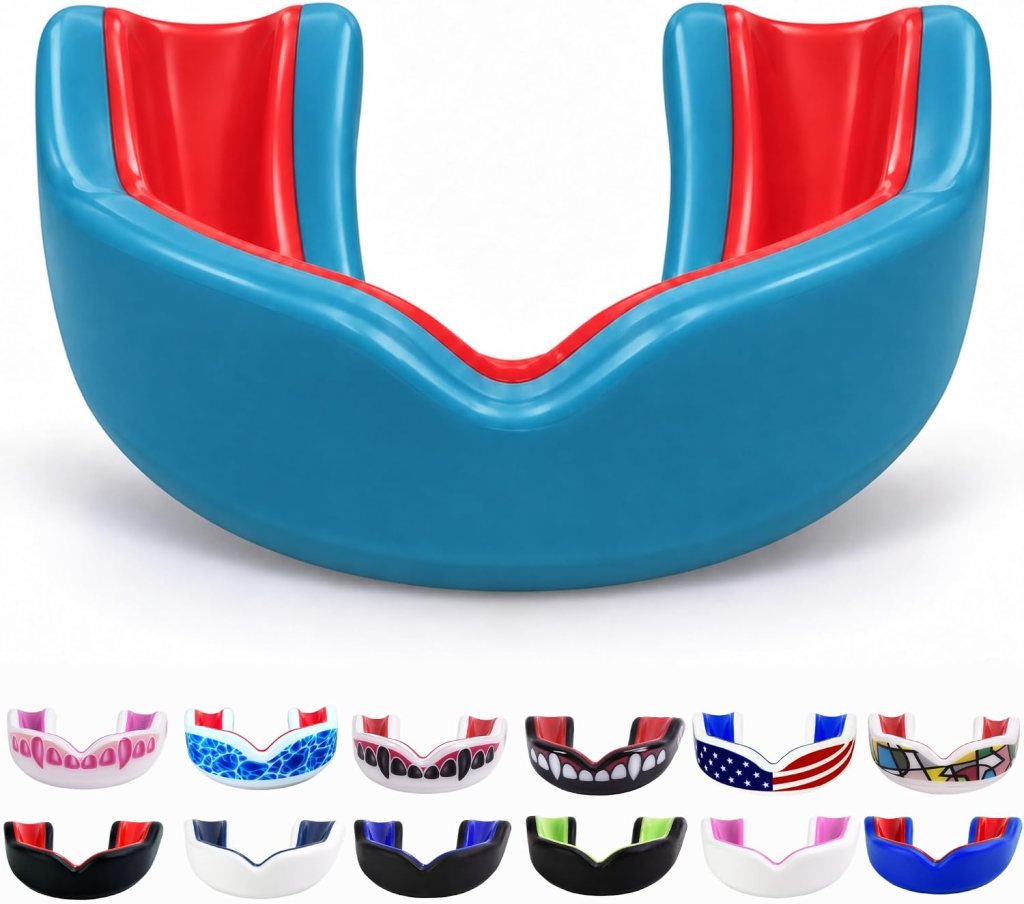
Oral Mart Youth Mouthguard
BEST FOR CHEWERS — Durable in our experience, with great youth sizing and fun color combinations.
The Talking Phase: Goon Guard
As the girls got older, their priorities changed. They weren’t chewing through mouthguards anymore; instead, they wanted something that made it easier to talk to teammates and breathe comfortably. That’s when we switched to Goon Guard, which we’ve found comfortable for communication and durable enough for normal use.
For younger players who chew everything, prioritize durability. For older players who want to communicate clearly, prioritize comfort and speech.
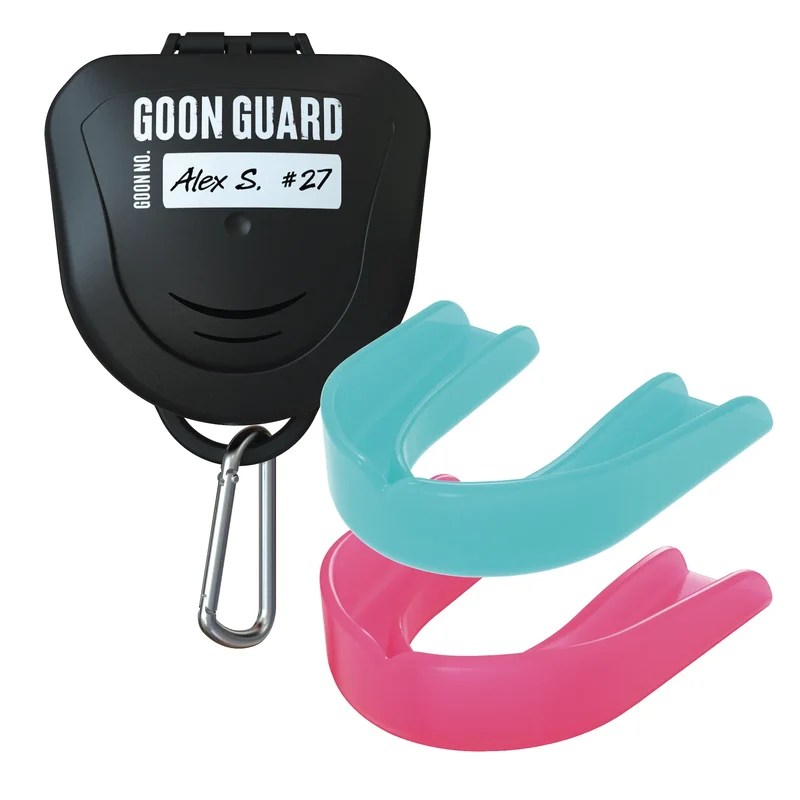
Goon Guard Mouthguard
BEST FOR TALKING — Our preferred option for comfortable breathing and clearer communication on the field.
SIDELINE TIP:
Buy two. Keep the spare in her lacrosse bag—not in the kitchen drawer, not in the car you didn’t bring, and definitely not in the Amazon cart. Mouthguards have an uncanny ability to disappear immediately before games.
Cleats: You Probably Don’t Need Lacrosse-Specific Ones
This is one of our easiest recommendations: both of our daughters have always worn soccer cleats for lacrosse.
There are a couple of reasons. First, we’ve generally found traditional lacrosse cleats to be bulkier and a little clunkier than the soccer cleats our girls prefer. Our daughters are speedy players who like lightweight footwear, and soccer cleats offer plenty of colorful options compared with the sea of white lacrosse cleats we’ve encountered.
But there’s an even more practical reason we’ve loved youth soccer cleats.
Slip-On Cleats Can Save Your Sanity
When our girls were younger, they absolutely hated tying their shoes. Getting out the door to practice could turn into a minor production, especially when we were already running late.
Nike’s youth Mercurial and Phantom cleats with easy-entry designs were a lifesaver. The girls could get their cleats on without needing help, and we could get moving.
Sometimes the best equipment isn’t the most technically sophisticated option. It’s the thing your eight-year-old can put on herself.
That independence matters.
Already Have Soccer Cleats? Start There.
If your daughter already owns soccer cleats that fit securely and are appropriate for the playing surface, you may not need to buy anything.
Of course, check your club’s equipment rules and make sure the cleats provide the fit, traction, and support she needs.
We wrote a more detailed guide explaining the differences, including when lacrosse-specific footwear might make sense:
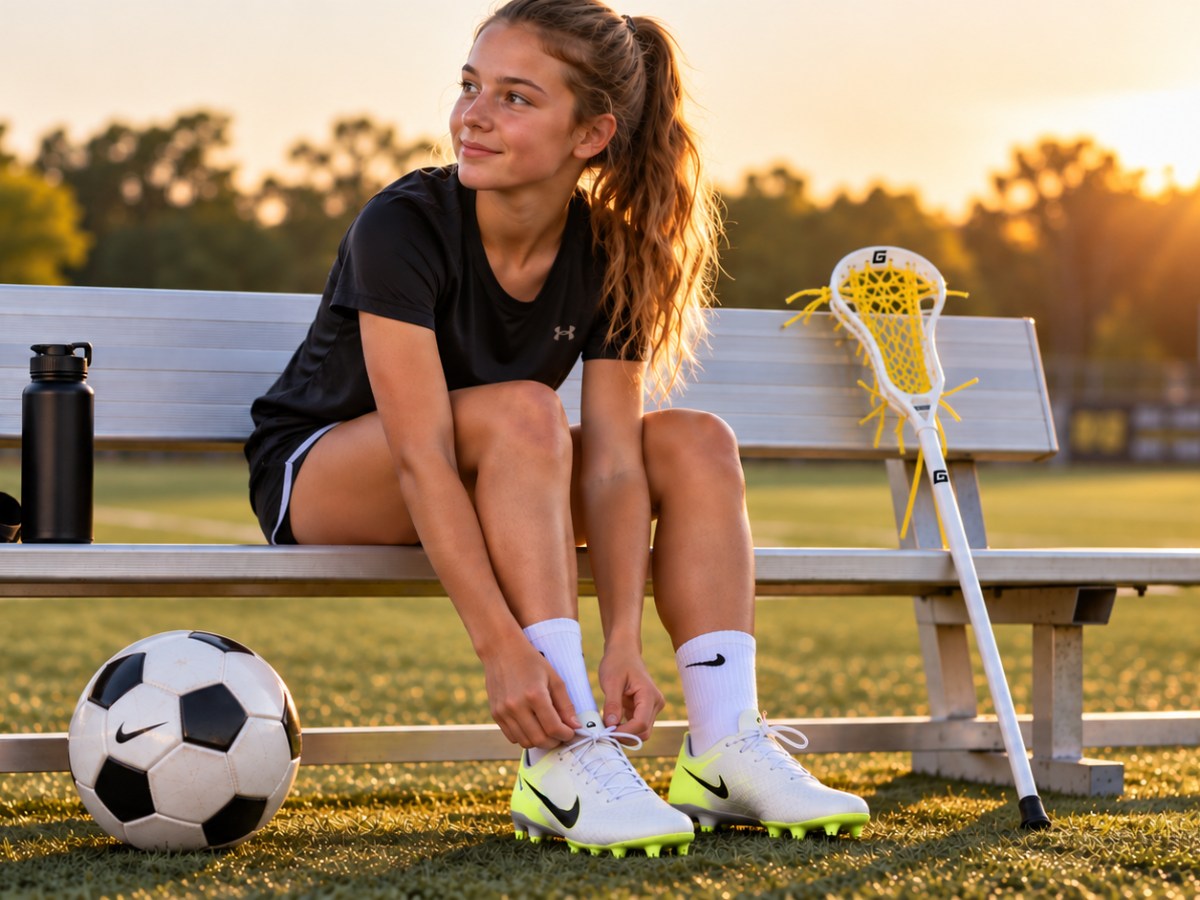
And if you’re unsure whether her current cleats still fit correctly, start here:
How Should Kids’ Cleats Fit? A Parent’s Guide to Soccer & Lacrosse Cleats
OUR RULE:
Don’t buy a second pair of cleats just because the box says “lacrosse.”
The Bag: Check the Team Store Before You Buy Anything
There are plenty of lacrosse bags on the market. Long stick bags, backpacks, equipment duffels, bags with special stick compartments—the choices can be surprisingly overwhelming.
But before you buy anything, here’s our advice: check your club’s team store.
Many club teams offer branded backpacks, and if yours does, that’s the one we’d buy. It’s practical, it matches the team, and there’s a good chance it’s what your daughter will want when she sees what her teammates are carrying.
If your club doesn’t offer a backpack, STX makes some good lacrosse-specific options.
What About Those Long Stick Bags?
PLAYER PERSPECTIVE
We asked our 12-year-old player what she’d think if someone showed up to practice or a game with a traditional long stick bag.
“They should be gone.”
“Have you ever seen the pros carry one of those? No? There’s your answer.”
FINAL VERDICT:
“Amateurish”
We might phrase it a little more diplomatically, but there’s a useful lesson here: equipment that looks perfectly reasonable to a parent isn’t always something a middle-school player wants to carry.
And if every girl on the team is using a backpack, buying the giant stick bag probably isn’t going to earn you any parenting points.
Don’t Forget the Little Stuff
The downside of a backpack is that small accessories have a way of disappearing into the bottom. Hair ties, earrings, lip balm, eye black, and spare mouthguards can quickly become a collection of loose items.
We’ve been intrigued by small accessory organizers designed to live inside a larger sports bag, including one from Sideline Bags. We haven’t tried it yet, so we’re not ready to recommend it, but the idea of giving all those little things a dedicated home makes sense.
For now, even a simple zippered pouch can accomplish the same basic job.
The Little Extras We Keep in Every Lacrosse Bag
Beyond the essentials we’ve already covered, there are a handful of inexpensive things worth keeping in every lacrosse bag. Here’s our quick checklist for practices and game days.
THE LACROSSE BAG CHECKLIST ✓
- Spare mouthguard — The most important backup.
- Extra hair ties — They break and disappear.
- Extra Clothing — Especially for wet fields and cold weather.
- First-aid basics — Bandages and athletic tape.
- Sunscreen & lip balm — For long days outside.
- Water bottle — Enough for practice.
- Accessory pouch — Keep the little stuff together.
As players get older and more serious, you may eventually add backup equipment, extra stick supplies, and other essentials. But there’s no reason to buy an entire sporting-goods store before the first practice.
What We’d Spend More On—and Where We’d Save
After outfitting two young lacrosse players, we’ve learned that spending more isn’t always the answer – but sometimes spending a little more upfront saves money and frustration later.
Where We’d Spend More
- The stick: A good head and pocket can make learning and playing more enjoyable. We’d rather buy a quality used stick than a frustrating new one.
- Goggles: Comfort matters when your daughter has to wear them every practice and game.
- Cleat fit: Not necessarily expensive cleats, but ones that fit securely and work well for the playing surface.
Where We’d Keep It Simple
- Mouthguards: Find one that works for your daughter and buy a spare.
- The bag: Start with the team backpack if available. You don’t need anything exotic.
- Accessories: Most of the small extras are inexpensive, and you can add them as needed.
And perhaps most importantly, don’t feel like everything needs to be purchased at once. Ask your coach what the club requires, see what equipment your daughter already owns, and talk to other parents. If you’re considering a major purchase, see whether she can try a teammate’s equipment before committing.
Final Thoughts: Buy What Makes Playing Easier
Making her first club lacrosse team is a big milestone—for your daughter and for you. It’s also the beginning of a learning curve, and you’re going to encounter plenty of expensive equipment, enthusiastic recommendations, and products promising to make her a better player.
Some of those products really are worth the money. Others aren’t necessary.
What we’ve learned after outfitting two young players is that the best equipment often solves a surprisingly ordinary problem. A better stick makes the ball easier to handle. Comfortable goggles mean one less thing to complain about. A mouthguard she can talk through stays in her mouth. And slip-on cleats mean she can get herself ready without your help.
The goal isn’t to have the most expensive equipment on the team. It’s to give your daughter gear that fits, works well, and lets her focus on playing.
OUR RULE:
Spend money where equipment makes playing easier, more comfortable, or more enjoyable. Save it everywhere else.
Because once she gets onto the field, the most important thing isn’t what her equipment cost.
It’s that she’s comfortable, confident, and ready to play.


Leave a Reply